Lloyd McCaffery
(b. 1949)
Click on any of the images for more details and pricing

McCaffery’s newest waterline model American Clippership LIGHTNING
Lloyd McCaffery’s singularly impressive artistic output over a 60 -year period has included many fully constructed and rigged, static-scale models; Admiralty-style models; collections of extreme miniature U.S. Naval and clippership figureheads; and other unique miniature carvings.
He has dedicated a portion of his career to making scale waterline models of a number of vessel types. These models offer him a chance to depict a ship in motion, as she would appear underway in various sea conditions and sail configurations. The realism with which he is able to create the illusion of a vessel underway is simply astonishing…
Look closely at his waterline models, especially his new model depicting the American Clippership LIGHTNING, and you’ll swear you’re looking at an actual moment on the sea! Click on the images here to view more details, or see below for more information about this amazing new model.
L


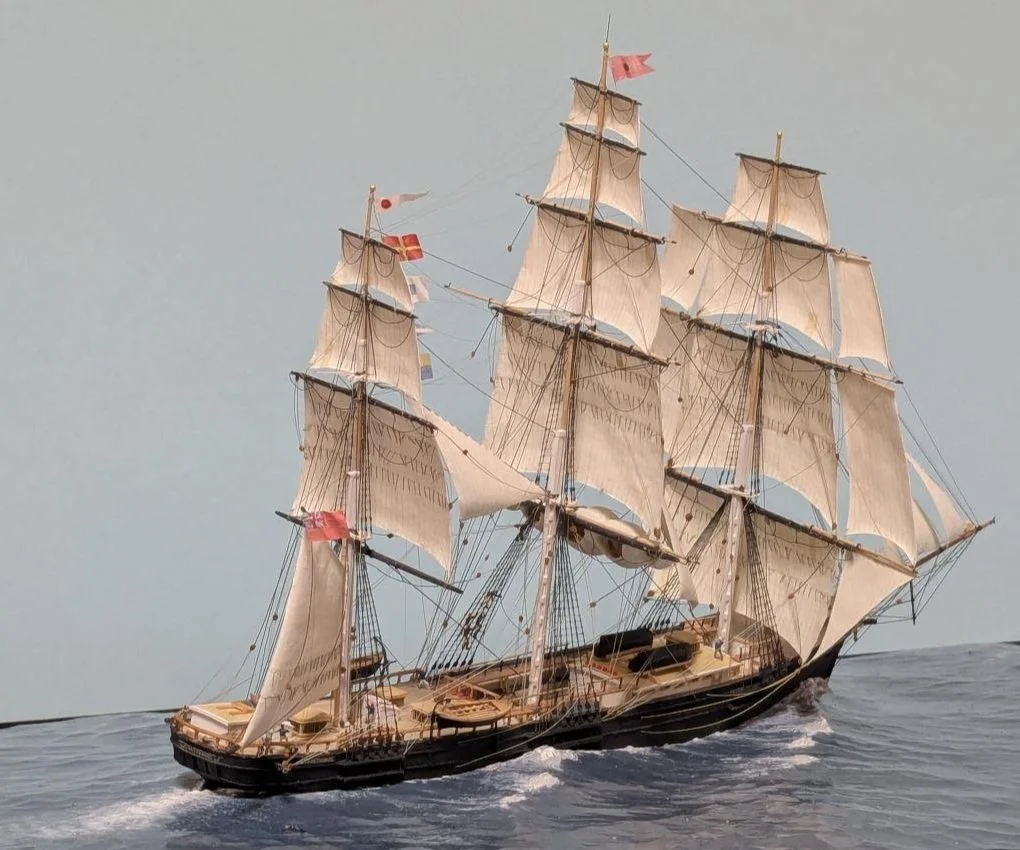
American Clippership LIGHTNING, c. 1854

Why I Build Waterline Models by Lloyd McCaffery...
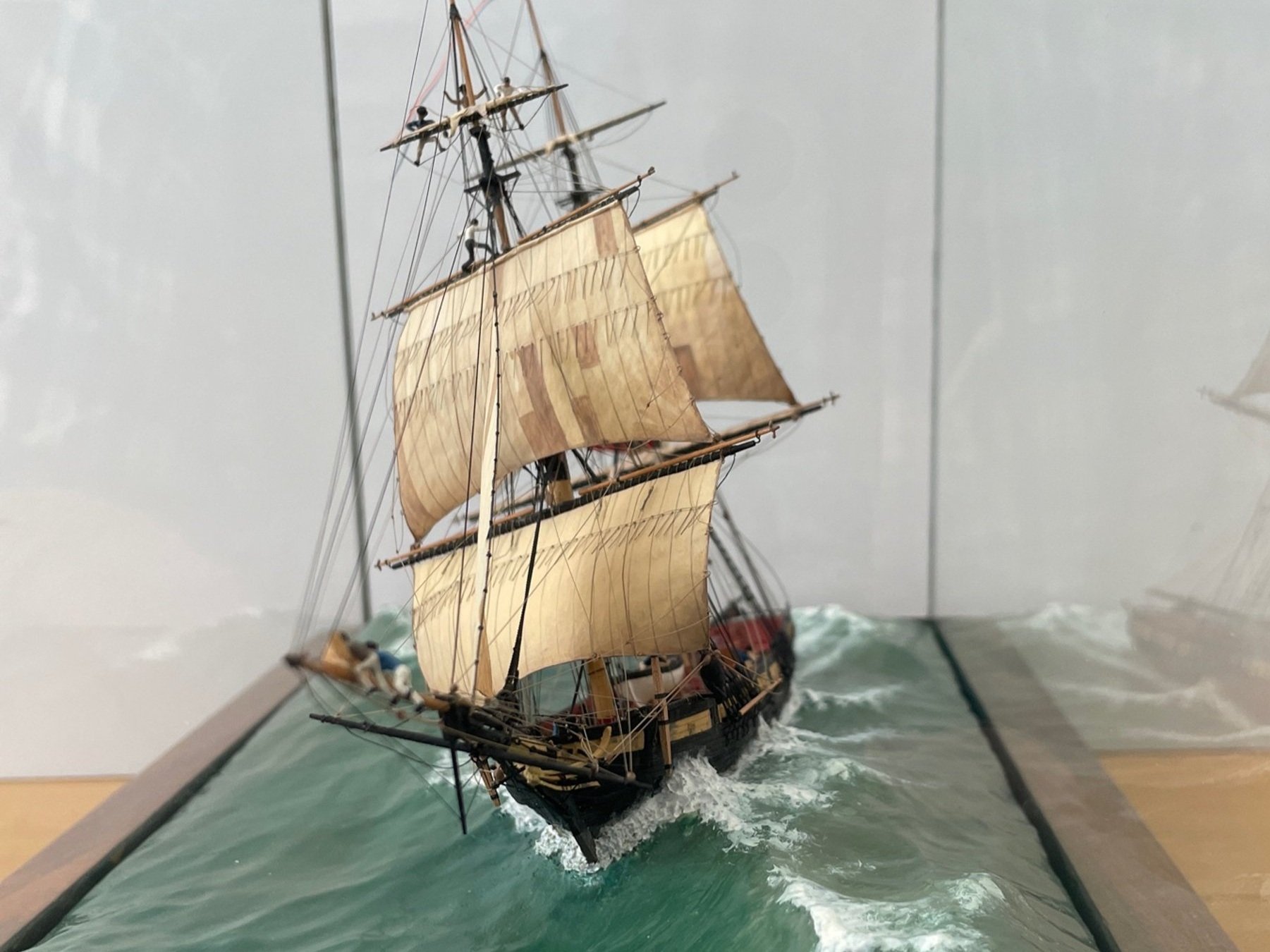
TIGRESS
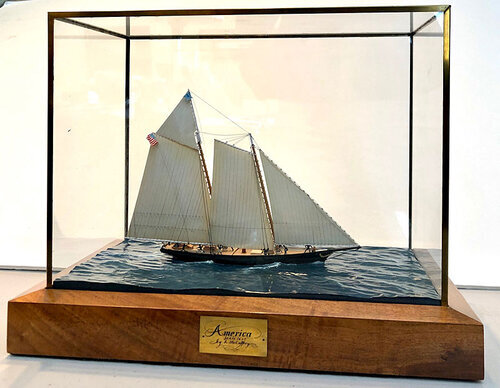
Schooner Yacht AMERICA
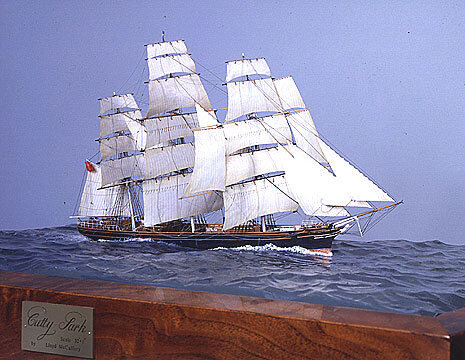
Clippership CUTTY SARK

HMY MARY, The First Royal Yacht, 1660
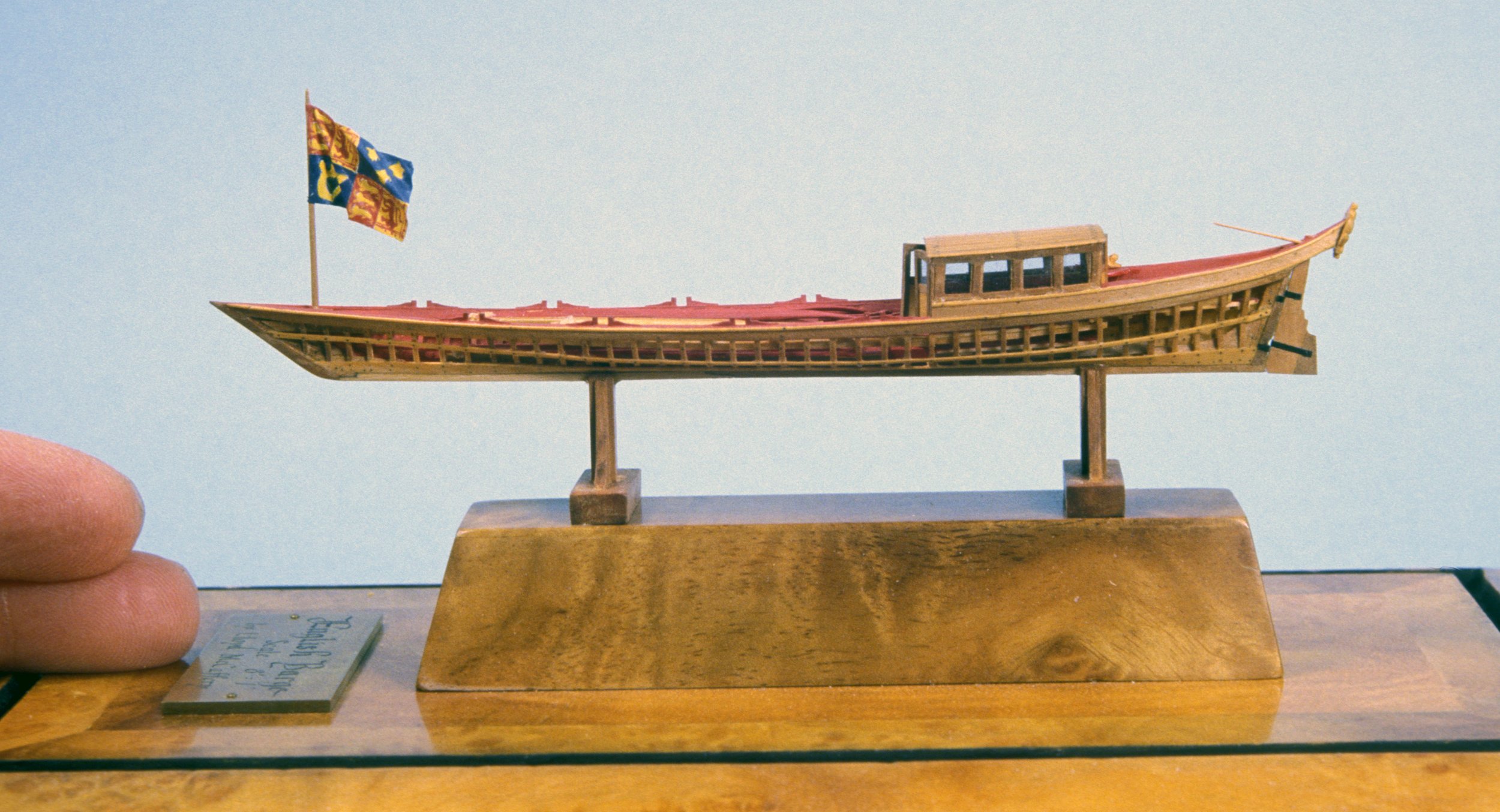
English Barge, 1768
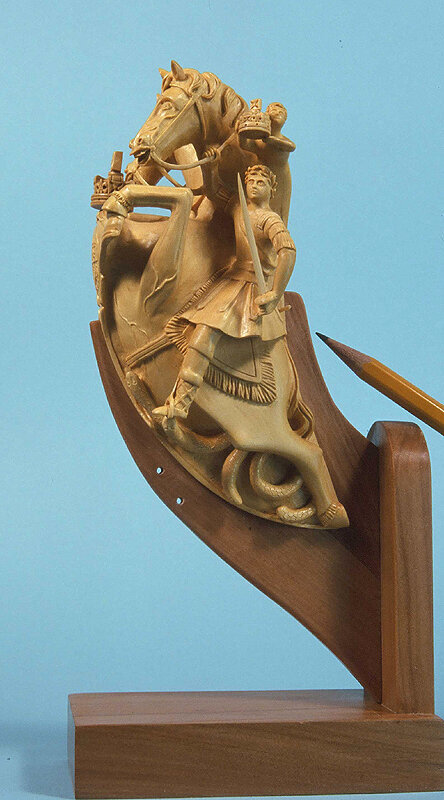
Double Equestrian Figureheads
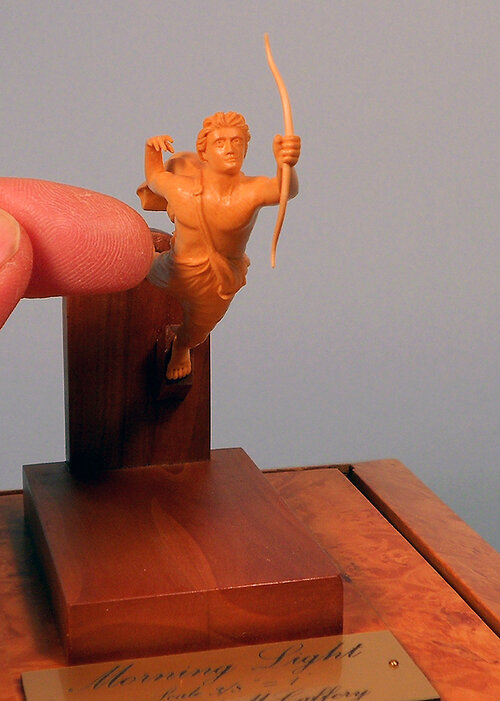
Morning Light
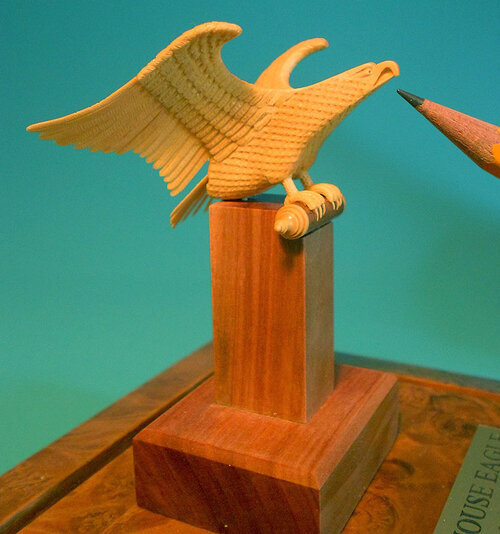
Pilot House Eagle
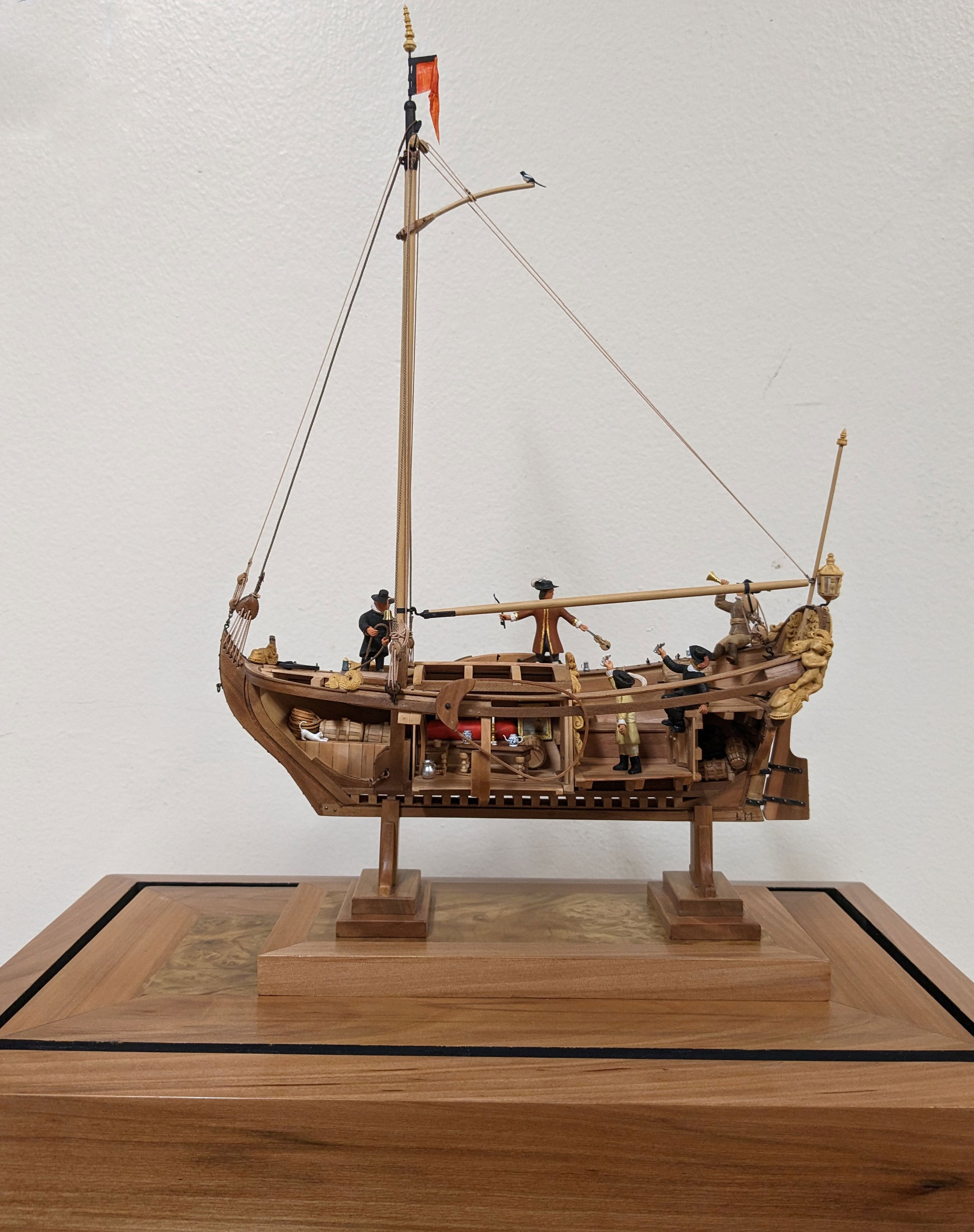
The Willem van de Velde Yacht, c. 1650
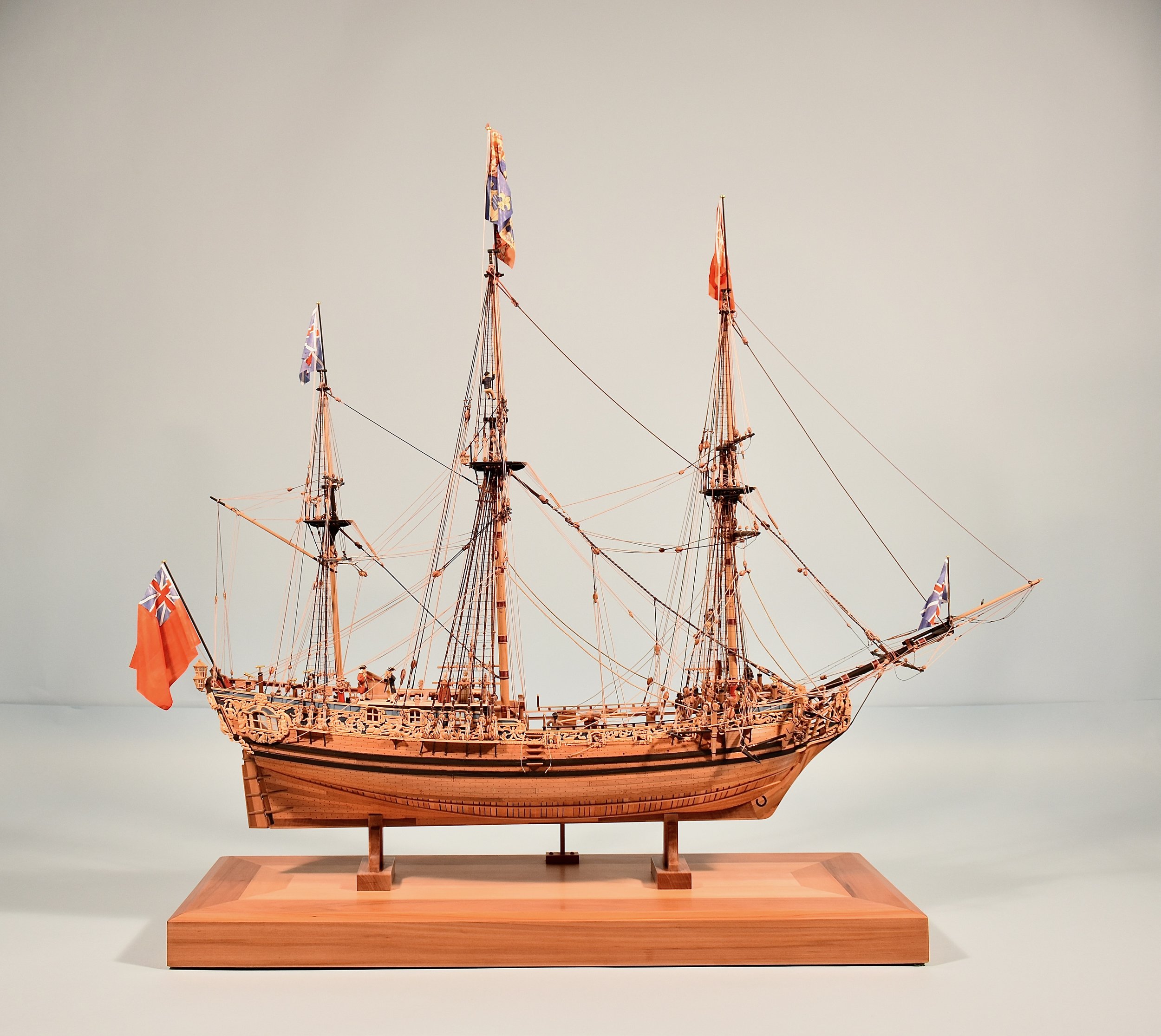
HMY ROYAL CAROLINE, 1749
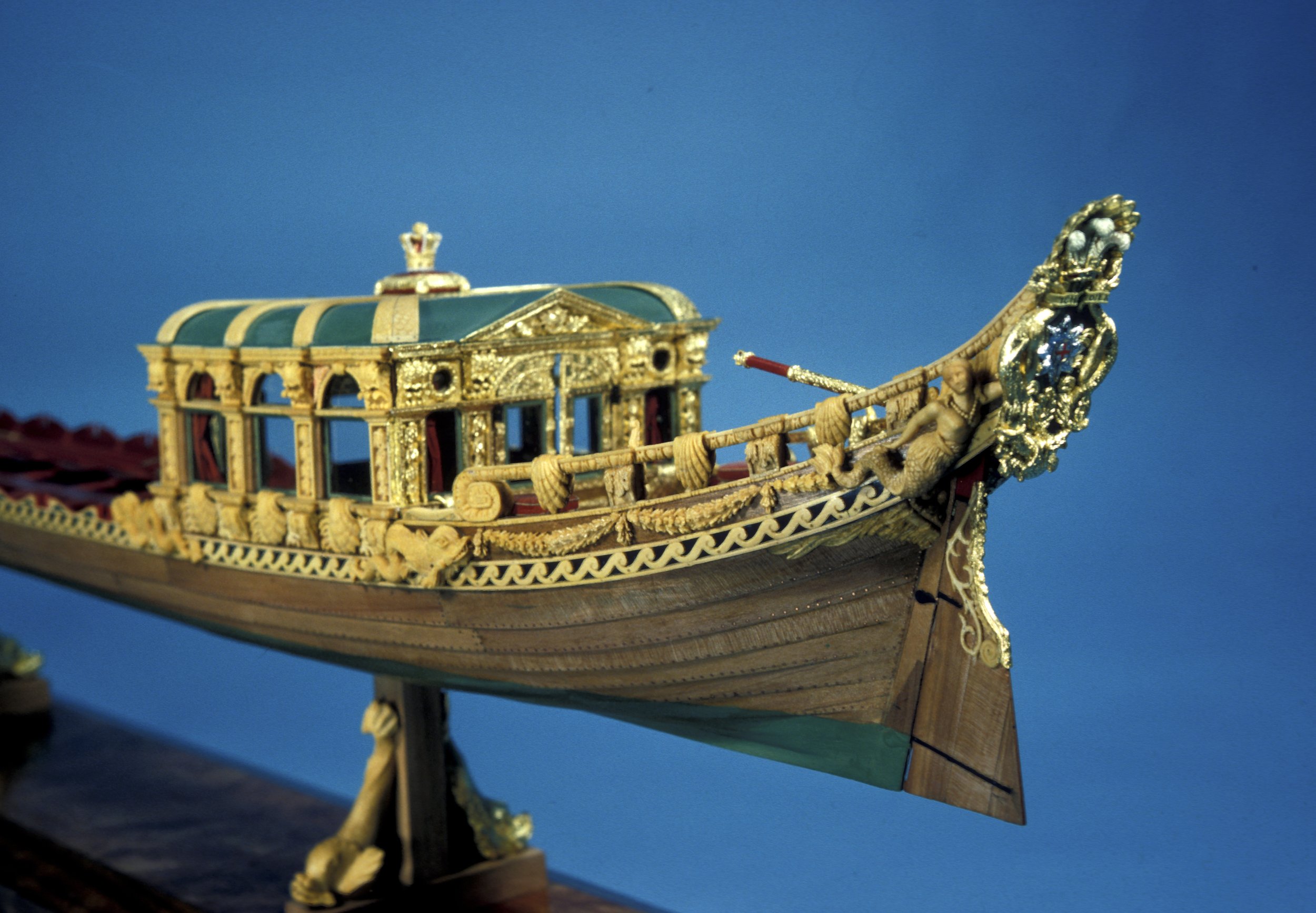
Prince Frederick's Barge
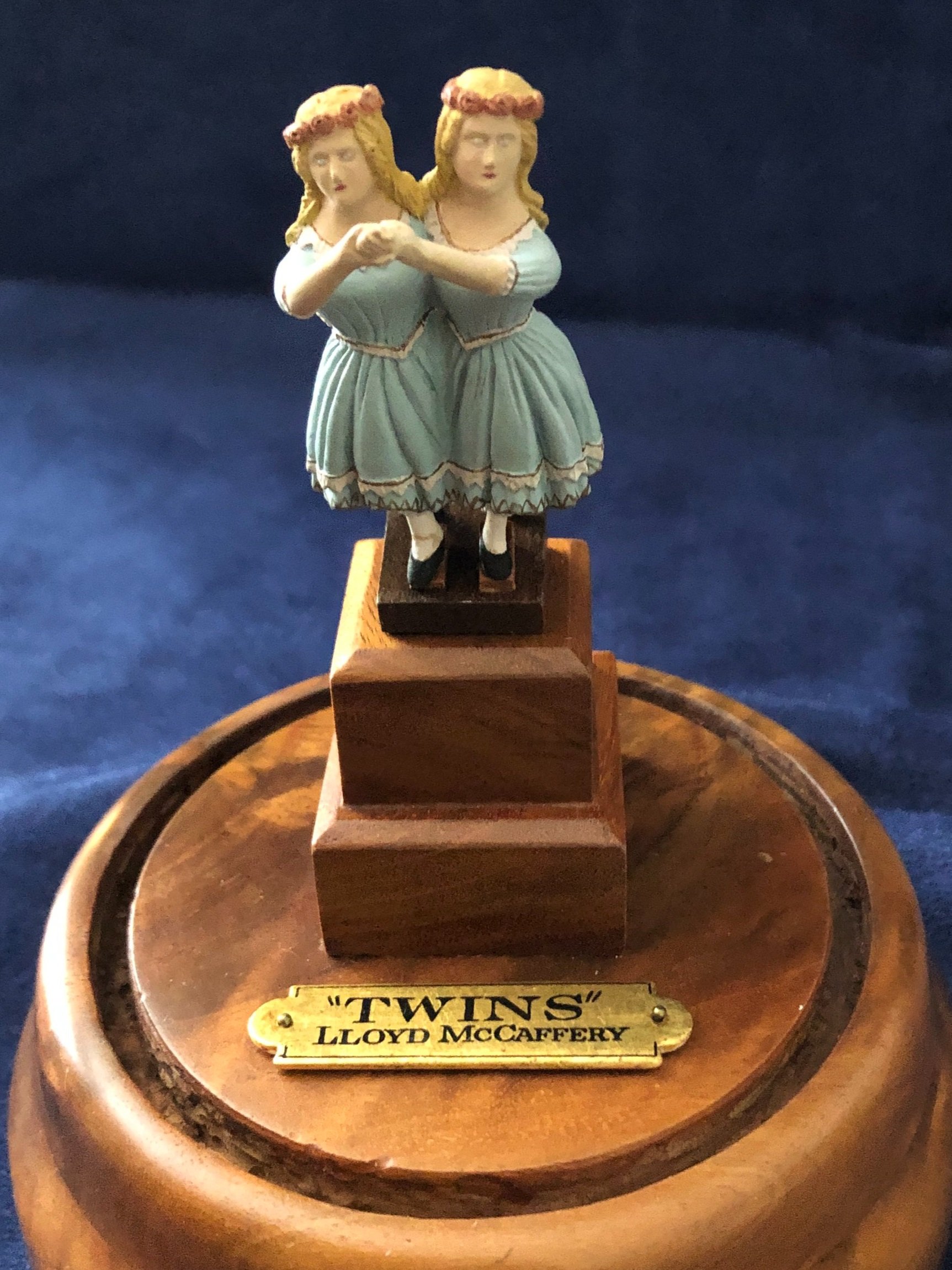
Twins
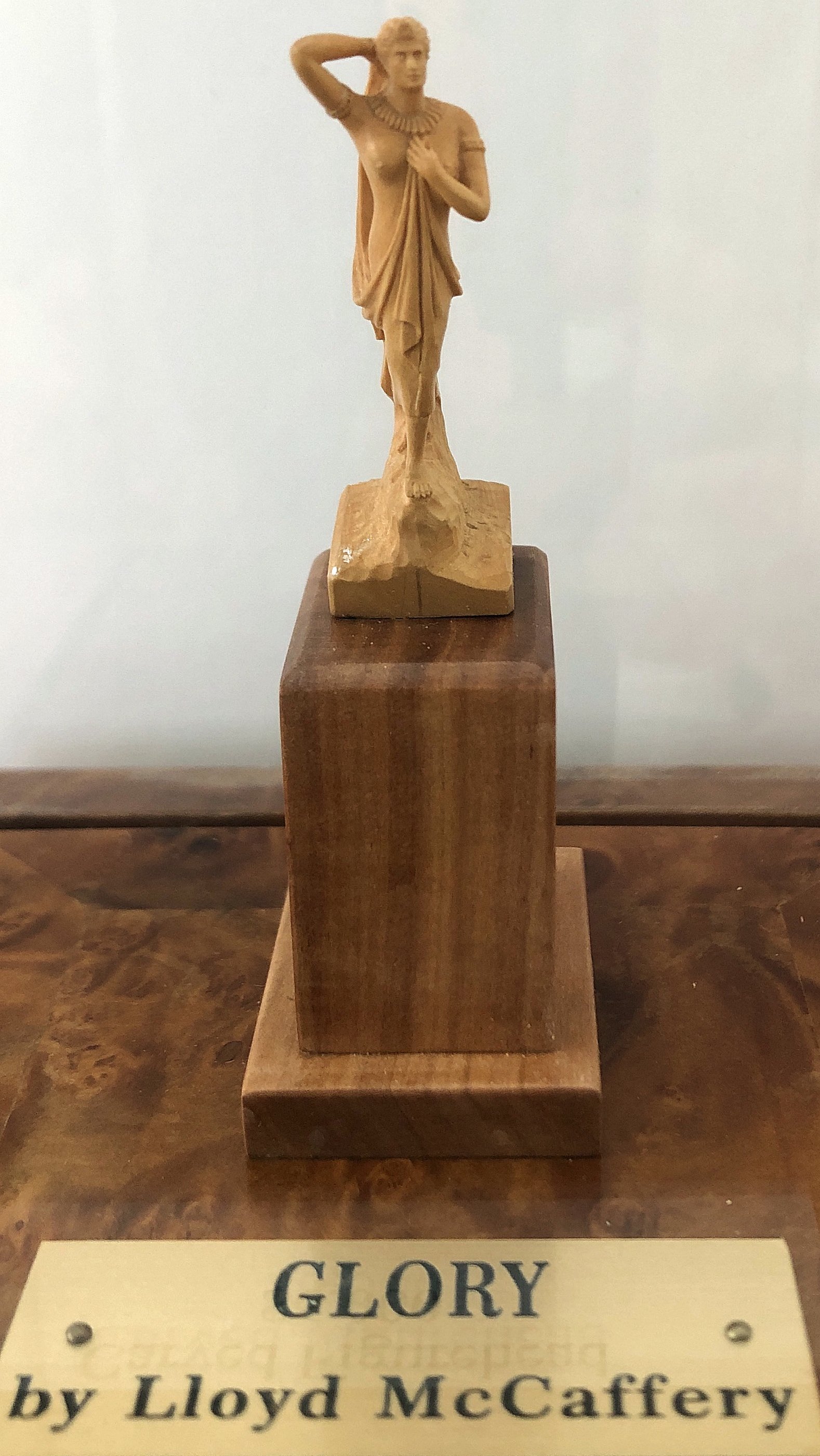
Glory- Figurehead
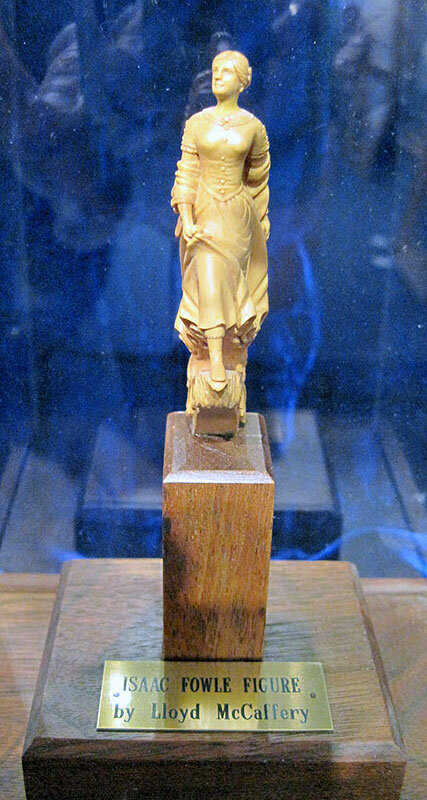
Isaac Fowle Figurehead
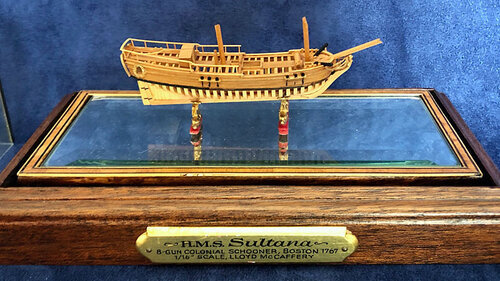
Colonial Sloop SULTANA
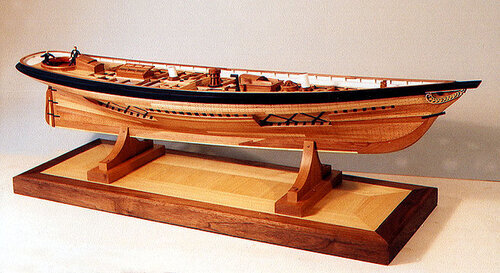
Schooner Yacht AMERICA
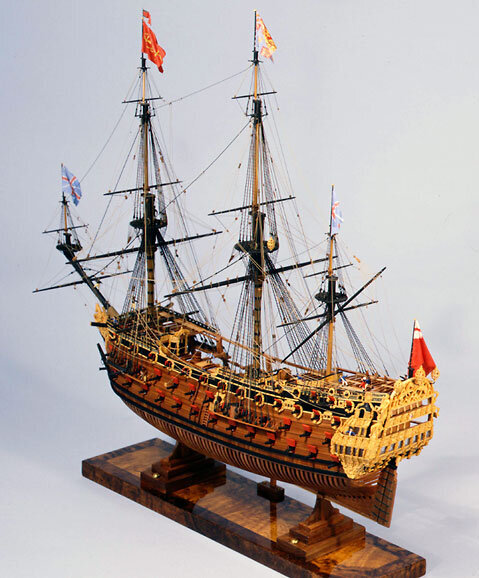
BRITANNIA 0f 1682
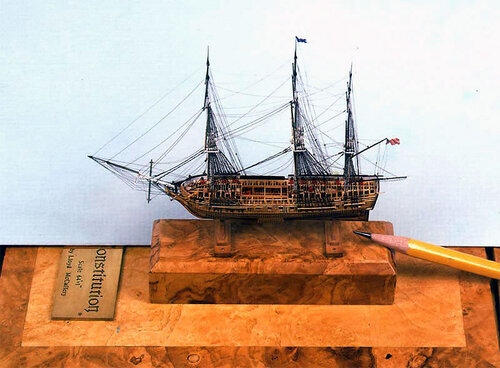
U.S.S. CONSTITUTION, 1812 – 1815
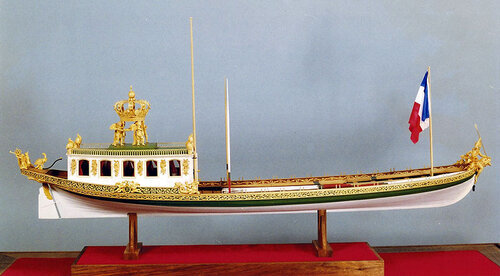
Napoleon's Barge
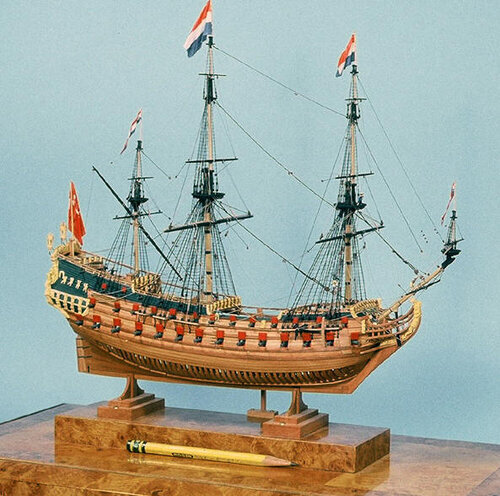
A Dutch Third-Rate
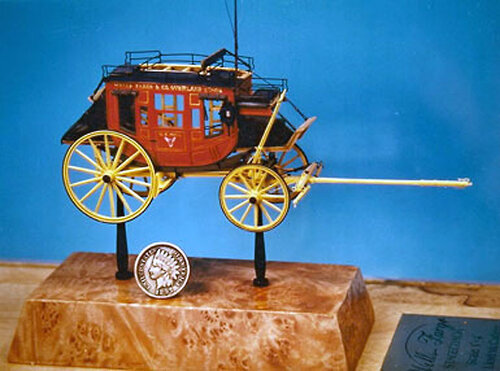
Wells Fargo Concord Stagecoach
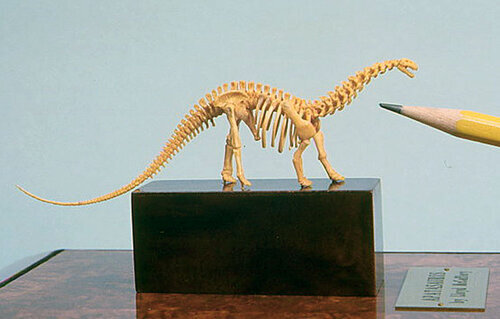
Apatosaurus
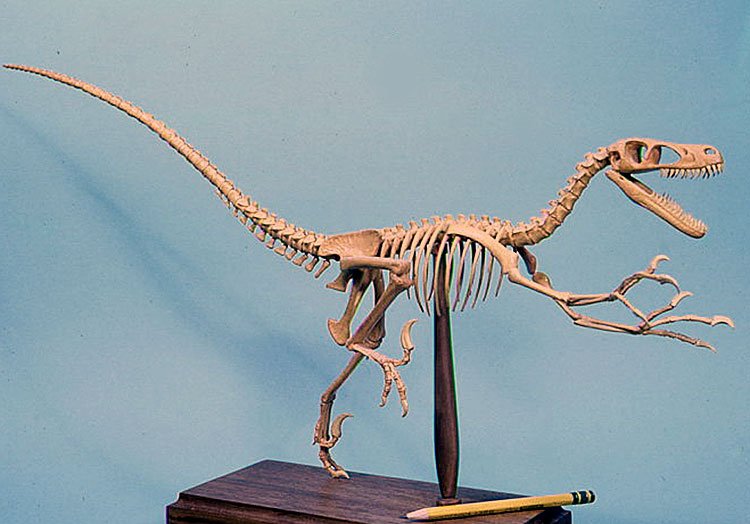
Velociraptor
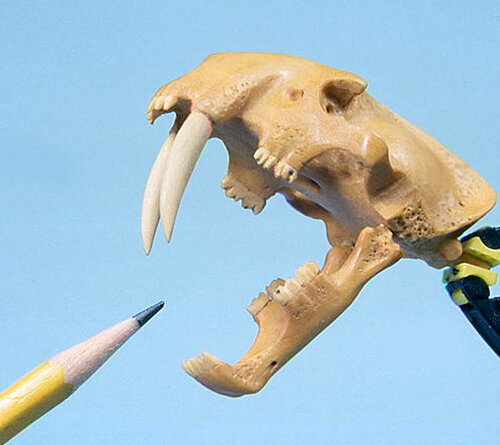
Sabertooth Cat
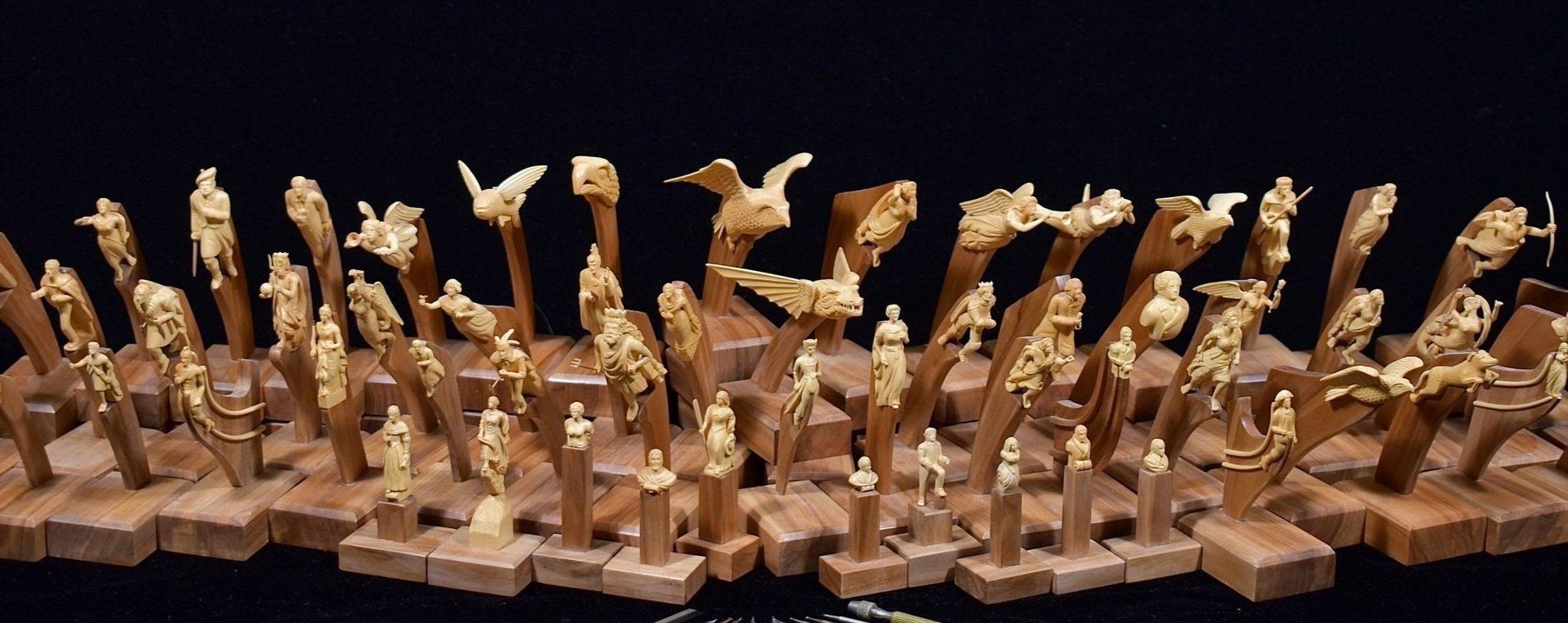
Sentinels of the Sea: Miniature Merchant Clippership Figureheads
Recently on Exhibit at The Mini Time Museum of Miniatures

Lloyd McCaffery is one of the most amazing miniaturists of this or any age. Just as the names Fabergé and Tiffany have come to represent superior levels of design and quality, we believe that when this generation of miniature carvers is examined, Lloyd McCaffery’s name will be found atop the list.
Over the past five decades he has set new standards in the field, from pioneering unique methods of miniature construction to perfecting the art of intricate detailed carving. He has devoted his life to the creation of the most detailed and exquisite work at small scales that it is possible for the mind to imagine. McCaffery is trained as an artist and sculptor, and his works in the ship model field have long been collected by serious connoisseurs of this genre. More recently, he expanded his range of subjects to include miniature dinosaur skeletons, wildlife, carousel horses, stagecoaches, and original figure sculptures.
The woods he uses are smooth, hard, fine-grained fruit woods. The tools include air turbine dental engines, jewelers' tweezers, and a number of miniature versions of planes, chisels, and knives he has fashioned to his own exacting specifications to achieve the results he seeks.
His work has been featured in many magazines, among them Connoisseur, Wooden Boat, Miniature Collector, Yankee, Wildlife Art News, Sea History, Wildfowl Carving & Collecting, The Yacht, Fine Woodworking, and Showboats International. He has written many articles for the scholarly publications Model Shipwright and the Nautical Research Journal. His definitive book on ship modeling techniques, Ships in Miniature, was published in 1988, and reprinted in 2002 by Conway Maritime Press of London. His miniature model of the HMS Prince was featured in The New York Times Magazine in November 1990. Just 3 ½" long, it was built up plank-on-frame and incorporated 100 turned cannons with the muzzles bored out. This model sold in 1990 for $100,000, setting a world record for a contemporary ship model at the time. He recently expanded his carving repertoire to include a collection of 52 miniature figureheads from ships of the United States Navy (1749-1892) and a collection of 60 miniature figureheads from Merchant and Clipperships (1779-1878).
His work has been exhibited and can be found in the collections of many museums worldwide, among them, the United States Naval Academy, Annapolis, Maryland; Victoria and Albert Museum, London, England; U.S.S. Constitution Museum, Boston, Massachusetts; The Maritime Gallery at Mystic Seaport, Mystic, Connecticut; Pan-American Japanese-American Amity Hall, Kushimoto, Japan; and the Columbia Maritime Museum, Astoria, Oregon, among others.

Lloyd McCaffery: Master of Miniatures
Click on the links below to view over 80 pages illustrating the wide-ranging collection of miniature models created by Lloyd McCaffery, including full ship, waterline and dockyard models, ship carving models, Navy figurehead models and more. Once you’ve examined the remarkable artwork on these pages, you’ll know why we believe that Lloyd McCaffery deserves a very special place among the world’s greatest miniaturists.